

 Kisozi Complex

Unlocking the Potential of 3D and Spatial Technology in Uganda
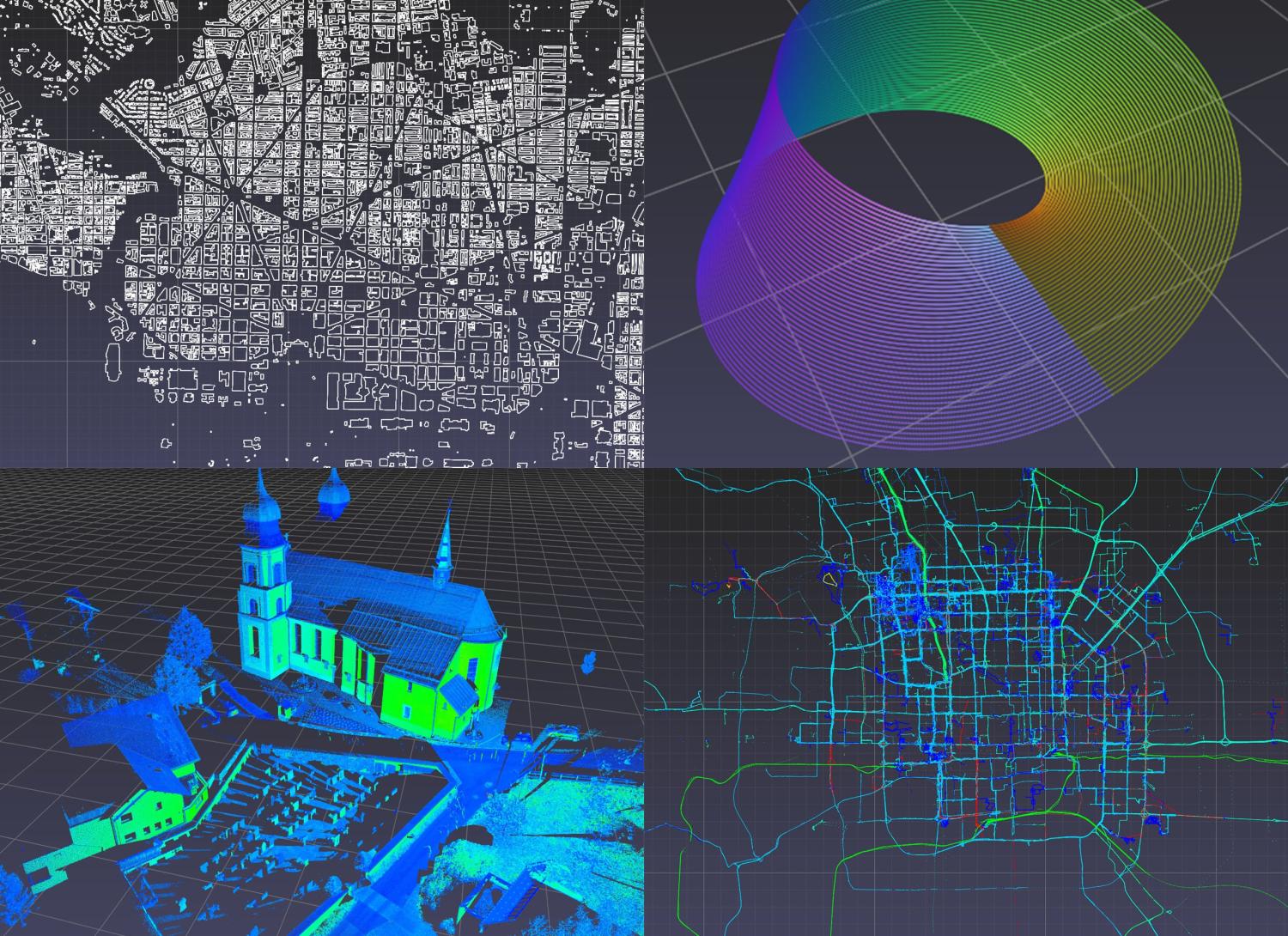
Step into the exciting world of 3D and spatial technology, where Uganda is experiencing a transformative wave of innovation and creativity. With its wide range of applications, these cutting-edge technologies are revolutionizing visual representation, creating immersive experiences, and driving innovation across various industries.
In Uganda, architectural design and urban planning are witnessing a significant shift through the integration of 3D and spatial technology. Architects and designers can now utilize advanced software and tools to create detailed 3D models, allowing clients and stakeholders to visualize and interact with designs before construction begins. This immersive approach not only enhances communication and collaboration but also improves decision-making processes, leading to more efficient and sustainable building designs.
Moreover, the application of 3D and spatial technology goes beyond architecture. In sectors like real estate, potential buyers can explore virtual tours of properties, providing a realistic and immersive experience without the need for physical visits. This technology enables developers and agents to showcase their projects more effectively, attracting potential investors and buyers.
Additionally, the entertainment and gaming industries are leveraging 3D and spatial technology to create captivating experiences for Ugandan audiences. From virtual reality (VR) gaming to augmented reality (AR) applications, these technologies bring virtual worlds to life, blurring the boundaries between the digital and physical realms. Companies like Cynotech, a leading technology firm based in Kampala, are at the forefront of developing innovative solutions that harness the power of 3D and spatial technology. Through their expertise and creativity, Cynotech is contributing to the growth and advancement of these industries in Uganda.
Innovative applications of 3D and spatial technology extend to urban planning as well. By utilizing geographic information systems (GIS) and spatial data, city planners and policymakers can make informed decisions about infrastructure development, transportation networks, and land use. These technologies enable a more holistic understanding of urban environments, facilitating the creation of sustainable and livable cities in Uganda.
Moreover, the fields of GIS, GPS tracking, and spatial technology are playing a crucial role in disaster management and environmental conservation efforts. By utilizing real-time data and satellite imagery, organizations can monitor natural disasters, track wildlife movements, and manage natural resources more effectively. This technology enables timely responses, aids in risk assessment, and contributes to the preservation of Uganda's unique natural heritage.
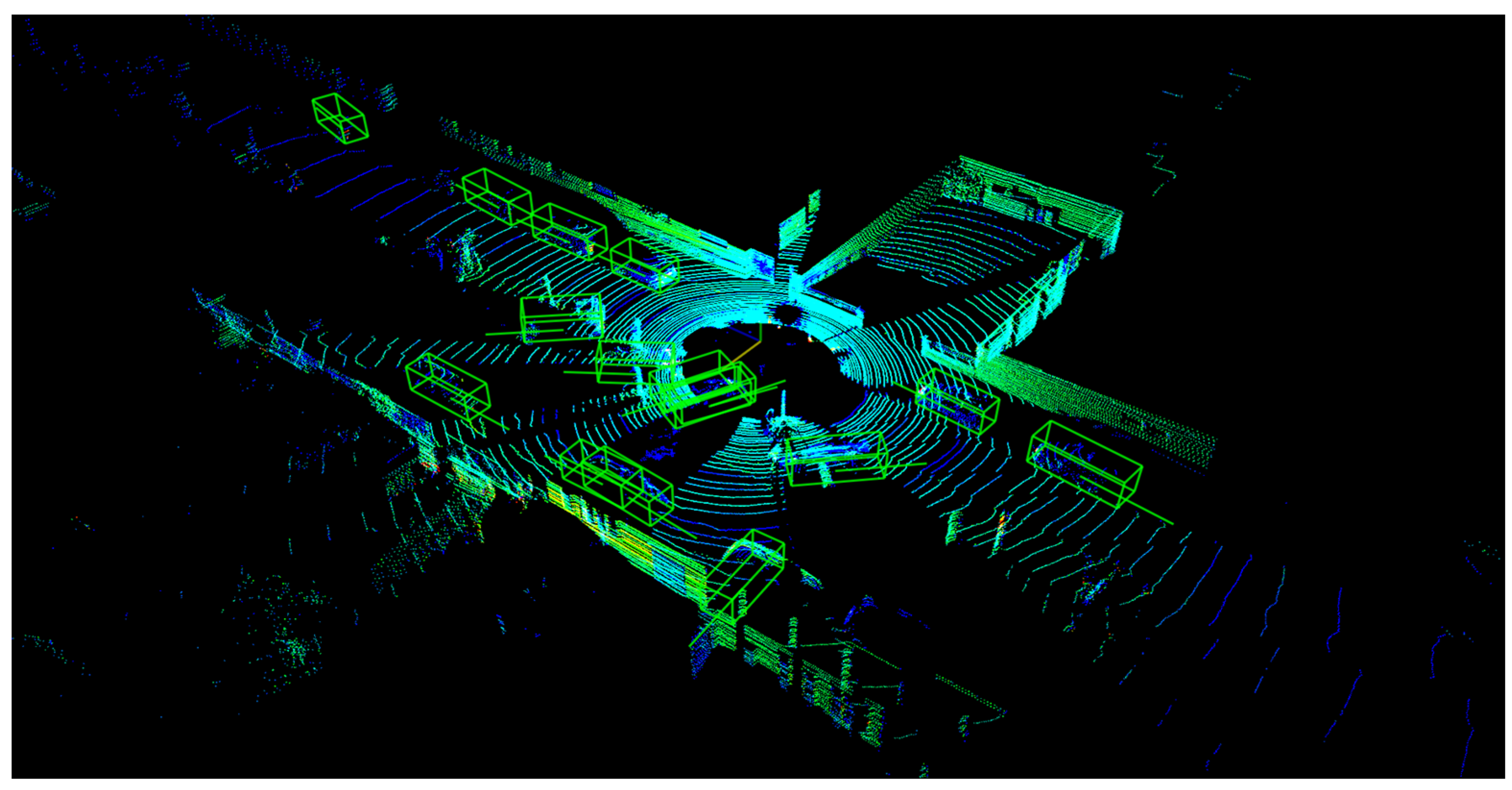
As 3D and spatial technology continue to advance, the possibilities for innovation and growth in Uganda are endless. With companies like Cynotech leading the way, the integration of these technologies in various sectors will undoubtedly shape a future where immersive experiences, efficient planning, and sustainable development go hand in hand. Embrace the world of 3D and spatial technology, and witness firsthand how it is transforming Uganda's visual landscape and driving innovation across industries.
About us

Banner ad